Dawn Fraser
Australian swimmer, eight-time Olympic medalist, and former politician.

Wikipedia / Wikimedia Commons
Dawn Fraser (born 4 September 1937) is an Australian freestyle champion swimmer, eight-time Olympic medalist, and a former politician. She is one of only four swimmers to have won the same Olympic individual event three times—the women's 100-metre freestyle—and held the world record in that event for 15 years. Her career brought national prominence and controversy, and she sparked national pride in Australia.
- born
- 4 September 1937, Balmain, New South Wales, Australia
- field
- Swimming, politics
- nationality
- Australian
- known_for
- First woman to swim 100 metres freestyle under one minute; three consecutive Olympic gold medals in 100 m freestyle (1956, 1960, 1964); 15-year world record holder in 100 m freestyle
Lore & Background
Fraser was born into a poor working-class family in Balmain, the youngest of eight children. Her father was from Embo, Scotland. She was spotted at age 14 by coach Harry Gallagher at local harbourside baths. She dominated the 100-metre freestyle, holding the world record from 1 December 1956 to 8 January 1972. In October 1962, she became the first woman to swim the 100 metres freestyle in under one minute, with a time of 59.9 seconds.
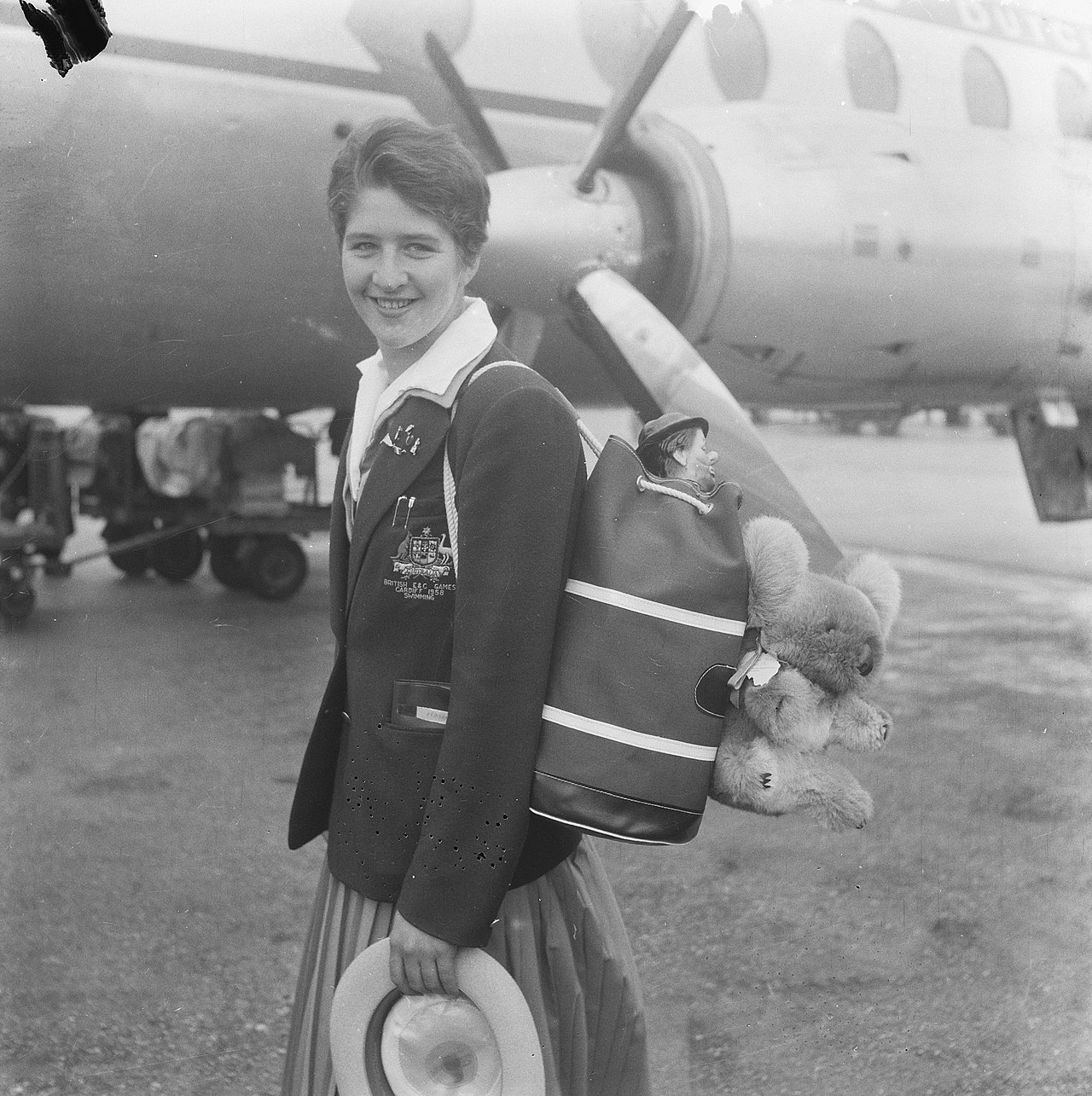
Several weeks before the 1964 Olympics, Fraser was injured in a car crash that injured a vertebra and killed her mother, Rose. Her sister and a friend survived. This followed the deaths of her older brother from leukaemia in 1950 and her father from cancer in 1960. At the 1964 Tokyo Olympics, she angered team sponsors and the Australian Swimming Union by marching in the opening ceremony against their wishes and wearing a competitor's swimsuit. She was also accused of stealing an Olympic flag from Emperor Hirohito's palace; she was arrested but released without charge, and later denied swimming the moat. The Australian Amateur Swimming Association banned her from competitive swimming for 10 years.
After swimming, Fraser became a publican and swim coach. In 1988, she was elected as an independent to the New South Wales Legislative Assembly for Balmain. After the electorate was abolished in 1991, she retired from politics. In 1997, she expressed interest in joining Pauline Hanson's One Nation Party. In 2015, she made controversial comments about tennis players Nick Kyrgios and Bernard Tomic, which were criticised as racist; she later apologised unreservedly.
Reader's Guide
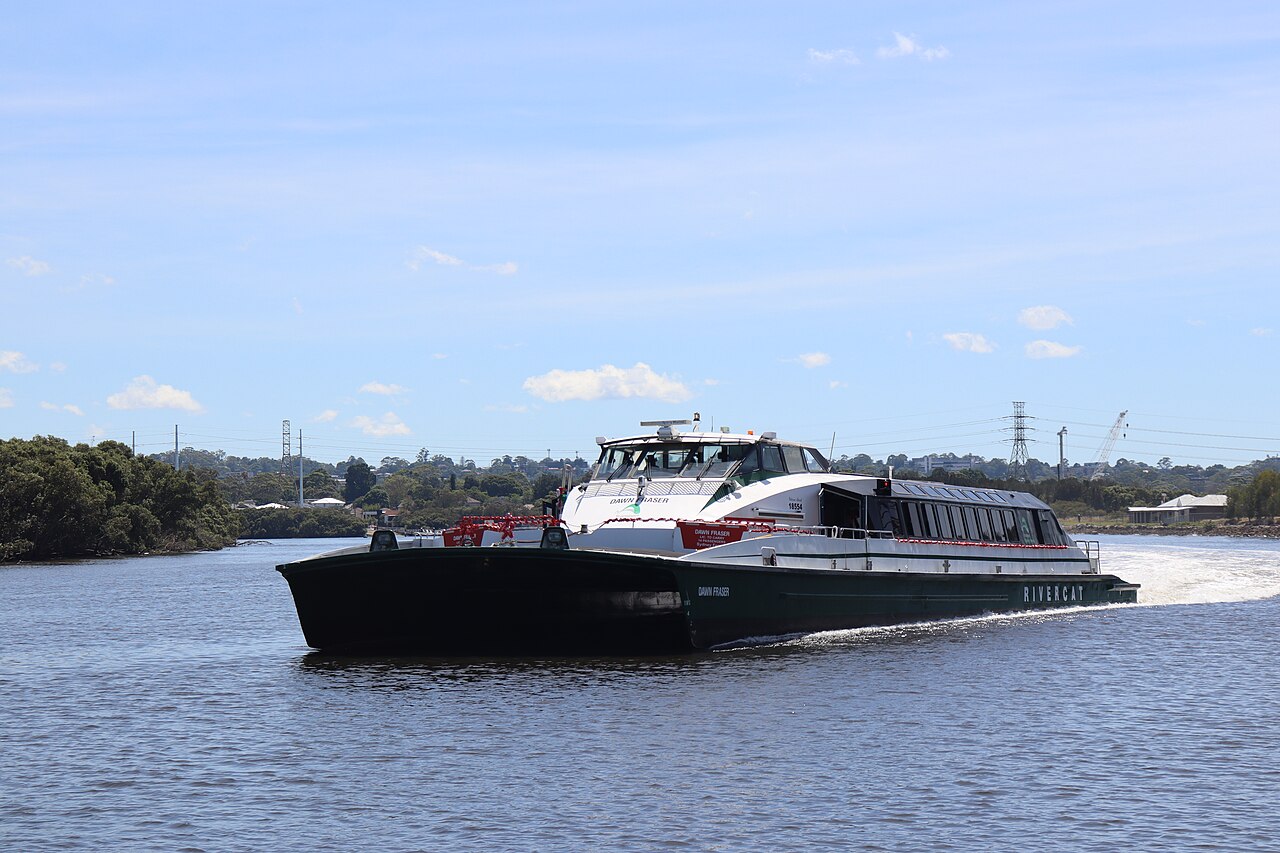
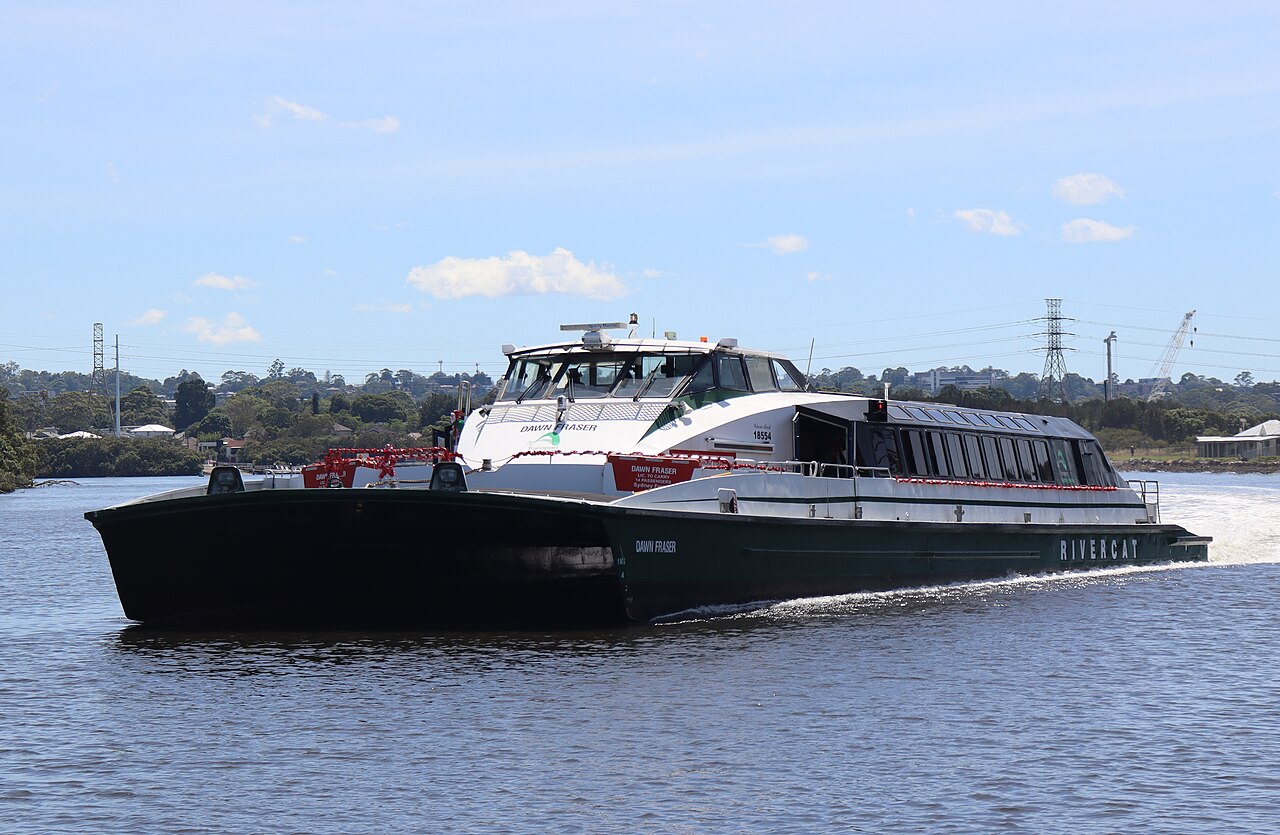
Dawn Fraser's significance lies in her unprecedented dominance of the women's 100-metre freestyle, an event she won at three consecutive Olympics—a feat matched only by three other swimmers in history. Her 15-year world record and her being the first woman to break the one-minute barrier in the 100 metres made her a national hero in Australia, where swimming is a popular sport. Her career also involved notable controversy, including a car crash before the 1964 Olympics, a flag-stealing incident, and a 10-year ban from competitive swimming. Beyond sport, she served as a politician in New South Wales and later sparked public debate with comments on immigration and athletes. Her legacy includes numerous honours: Australian of the Year (1964), induction into the International Swimming Hall of Fame (1965), Member of the Order of the British Empire (1967), Officer of the Order of Australia (1998), and advancement to Companion of the Order of Australia (2018). She was named Australian Female Athlete of the Century and World's Greatest Living Female Water Sports Champion by the International Olympic Committee. The Dawn Fraser Swimming Pool in Balmain and a RiverCat ferry bear her name. Her life was depicted in the 1979 film Dawn! and the 2003 film Swimming Upstream.
Did You Know?
- Dawn Fraser is one of only four swimmers in Olympic history to win individual gold medals for the same event at three successive Olympics (100 m freestyle: 1956, 1960, 1964).
- In October 1962, she became the first woman to swim the 100 metres freestyle in under one minute, with a time of 59.9 seconds.
- She was banned from competitive swimming for 10 years after the 1964 Olympics, partly due to an incident involving an Olympic flag from Emperor Hirohito's palace.
- Fraser is the great-aunt of Canadian soccer player Danielle Steer.
The Dominance of a Freestyle Legend
Dawn Fraser's swimming career stands as one of the most extraordinary in Olympic history. Discovered at just fourteen years old by Sydney coach Harry Gallagher while she swam at the local harbourside baths in Balmain, she went on to claim thirty-nine records and eight Olympic medals for Australia, four of them gold. Her most remarkable feat was winning the women's 100-metre freestyle at three consecutive Games—1956, 1960, and 1964—placing her in an elite group of only four swimmers ever to accomplish this in an individual event, alongside Krisztina Egerszegi, Michael Phelps, and Katie Ledecky. Her dominance was further cemented when she held the 100-metre freestyle world record for a staggering fifteen years, from 1 December 1956 until 8 January 1972. In October 1962, she became the first woman ever to break the one-minute barrier in that event, clocking 59.9 seconds. Her personal best of 58.9 seconds remained untouched for eight years after her retirement. Beyond the Olympics, she collected six Commonwealth Games gold medals, solidifying her status across the British Commonwealth.
Tragedy, Defiance, and the Tokyo Controversy
The years surrounding the 1964 Tokyo Olympics were marked by profound personal loss and public controversy. Weeks before the Games, Fraser was involved in a car crash that injured a vertebra and killed her mother, Rose. Her sister and a friend in the vehicle survived, but the accident compounded a family already scarred by the deaths of her older brother from leukaemia in 1950 and her father from cancer in 1960. Despite this, Fraser competed and won her third consecutive 100-metre freestyle gold. However, her conduct in Tokyo drew fierce backlash. She marched in the opening ceremony against the wishes of sponsors and the Australian Swimming Union, and she raced in a rival competitor's swimming costume because she found it more comfortable. She was also arrested after being accused of taking an Olympic flag from a flagpole outside Emperor Hirohito's palace, the Kōkyo, though she was released without charge and ultimately given the flag as a souvenir. She later told The Times in 1991 that she would never have swum the palace moat, calling the water filthy and saying she was terrified of dirty water. The Australian Amateur Swimming Association banned her from competitive swimming for ten years.
From the Pool to the Pub and Parliament
After leaving competitive swimming, Fraser reinvented herself in several unexpected directions. She became a publican at the Riverview Hotel in her hometown of Balmain and also took up swim coaching, staying connected to the sport she had dominated. In 1988, she made a striking political entry, winning election as an independent to the New South Wales Legislative Assembly for the seat of Balmain. However, when that electorate was abolished in 1991, she attempted to transfer to the new seat of Port Jackson but was unsuccessful, prompting her retirement from politics. Her personal life included a brief marriage to Gary Ware on 30 January 1965 at St. Stephen's Church on Macquarie Street, Sydney. The union produced one daughter, who in turn has a son. Fraser eventually relocated from Sydney to Noosa on Queensland's Sunshine Coast, a move motivated by her asthma—she found the warmer subtropical air and greater exposure to sunlight and vitamin D beneficial for her breathing. She is also the great-aunt of Canadian soccer player Danielle Steer.
Honours, Legacy, and a Complicated Public Persona
Fraser's post-competitive life has been defined by both extraordinary recognition and recurring controversy. She was named Australian of the Year in 1964, inducted into the International Swimming Hall of Fame in 1965, and made an MBE in 1967 under her married name Dawn Ware. In 1985 she became the first female member of the Sport Australia Hall of Fame, and in 1998 she received the AO. The International Olympic Committee named her the World's Greatest Living Female Water Sports Champion in 1999, and in 2000 she carried the Olympic Torch during the final segment of the Sydney Games opening ceremony, just before the flame was lit. Her story has been portrayed in the 1979 film Dawn! and the 2003 film Swimming Upstream, and in 2015 she appeared on the SBS genealogy series Who Do You Think You Are?, which traced her heritage to South America. Yet her public image has been complicated by outspoken remarks, including a 1997 ABC interview expressing interest in Pauline Hanson's One Nation Party, and a 2015 Today program comment about tennis players Nick Kyrgios and Bernard Tomic that drew widespread condemnation before she issued an unreserved apology.
Gallery
Frequently Asked Questions
Who is Dawn Fraser?
Dawn Fraser is an Australian freestyle swimmer born on 4 September 1937 in Balmain, New South Wales, who became one of her country's most iconic athletes. She is best known for her dominance in the 100-metre freestyle and later went on to serve as a member of the Australian parliament.
What are Dawn Fraser's Olympic achievements?
Fraser won the women's 100-metre freestyle at three consecutive Games—Melbourne 1956, Rome 1960, and Tokyo 1964—making her one of only four swimmers ever to claim the same individual event three times. Across her competitive career she collected a total of eight Olympic medals.
What world record did Dawn Fraser hold?
She set a 100-metre freestyle world record that remained unbroken for fifteen years, and she was the first woman to swim that distance in under one minute. That record cemented her reputation as the defining freestyle specialist of her era.
Why is Dawn Fraser important to Australian sports history?
Her three-peat in the 100-metre freestyle generated extraordinary national pride and turned her into a cultural symbol well beyond the pool. She became a touchstone for Australian athletic excellence throughout the 1950s and 1960s.
What did Dawn Fraser do after retiring from swimming?
After her competitive career ended, Fraser entered politics and was elected to the Australian House of Representatives. Her move from elite athlete to sitting federal parliamentarian made her one of the very few Olympians to hold a seat in national government.
More in Swimming & Water Sports 1-24
Spotted an error? Know more?
This is a living reference — every entry is fact-audited, and reader corrections feed straight into our audit queue. Suggest an edit · See this site's audit record